What Are Oral Ulcers?
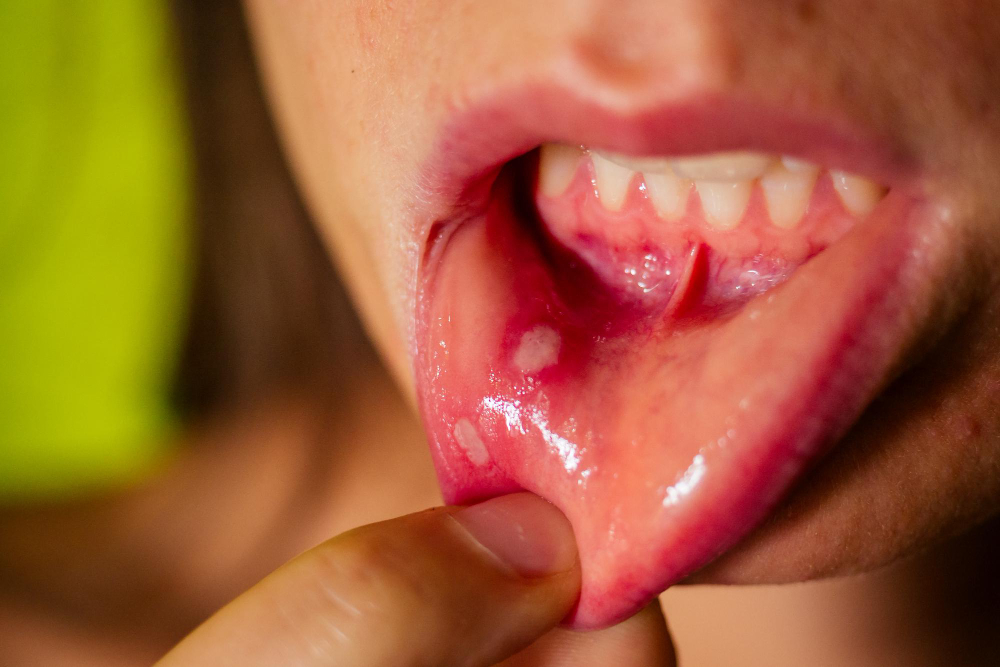
Oral ulcers are small, painful sores that appear inside the mouth. These mouth sores can form on the inner cheeks, lips, tongue, or gums. Often, oral ulcers make eating and talking uncomfortable. While most ulcers heal on their own, some may last longer and need treatment. According to the World Health Organization (WHO), oral ulcers are common and affect people of all ages. Because they can be caused by many factors, it is important to understand their symptoms and causes.
Common Symptoms of Oral Ulcers
Usually, oral ulcers have clear signs. However, symptoms can vary from person to person. Knowing what to look for helps you spot them early. Common symptoms include:
Sometimes, more than one ulcer appears at the same time. If you notice these symptoms, you may have oral ulcers.
Causes and Risk Factors
There are many possible causes of oral ulcers. In fact, some people may be more likely to get them. Here are some common mouth sores causes:
Additionally, genetics can play a role. If your family members get oral ulcers, you may be at higher risk. In some regions, hot and humid weather can also increase the chances of developing mouth sores.
How Oral Ulcers Are Diagnosed
Usually, a dentist or doctor can diagnose oral ulcers by looking at the sores. First, they will ask about your symptoms and medical history. Then, they may check your mouth for the size, shape, and location of the ulcers. In rare cases, further tests may be needed. For example, blood tests can check for vitamin deficiencies or infections. Sometimes, a small tissue sample (biopsy) is taken if the sore does not heal or looks unusual. Early diagnosis helps rule out other health problems and guides the best oral ulcer treatment.
Treatment Options for Oral Ulcers
Most oral ulcers heal within one to two weeks without treatment. However, some cases need extra care. Here are common oral ulcer treatment options:
Sometimes, avoiding spicy or acidic foods helps speed up healing. If ulcers are caused by another health problem, treating that condition is important. Always follow your dentist’s advice for the best results.
Prevention Tips and Lifestyle Guidance
Although oral ulcers are common, you can lower your risk with some simple steps. Here are tips on how to prevent mouth ulcers:
In addition, regular dental check-ups help catch problems early. If you live in a hot or dry area, drink extra water to keep your mouth moist.
When to See a Dentist
Most oral ulcers heal on their own. However, you should see a dentist if:
Early treatment can prevent complications and help you feel better sooner.
If you have persistent oral ulcers, consult a dentist at True Healthcare (THC Dental Centre) for personalized advice.