Introduction to Dental Implants and Orthodontics
When it comes to improving your smile, you may wonder about dental implants vs orthodontics. Both options help with dental problems, but they work in different ways. Dental implants replace missing teeth, while orthodontics, such as braces, straighten crooked teeth. Understanding the difference between dental implants and braces can help you make the best choice for your oral health.
Primary Differences Between Dental Implants and Orthodontic Treatments
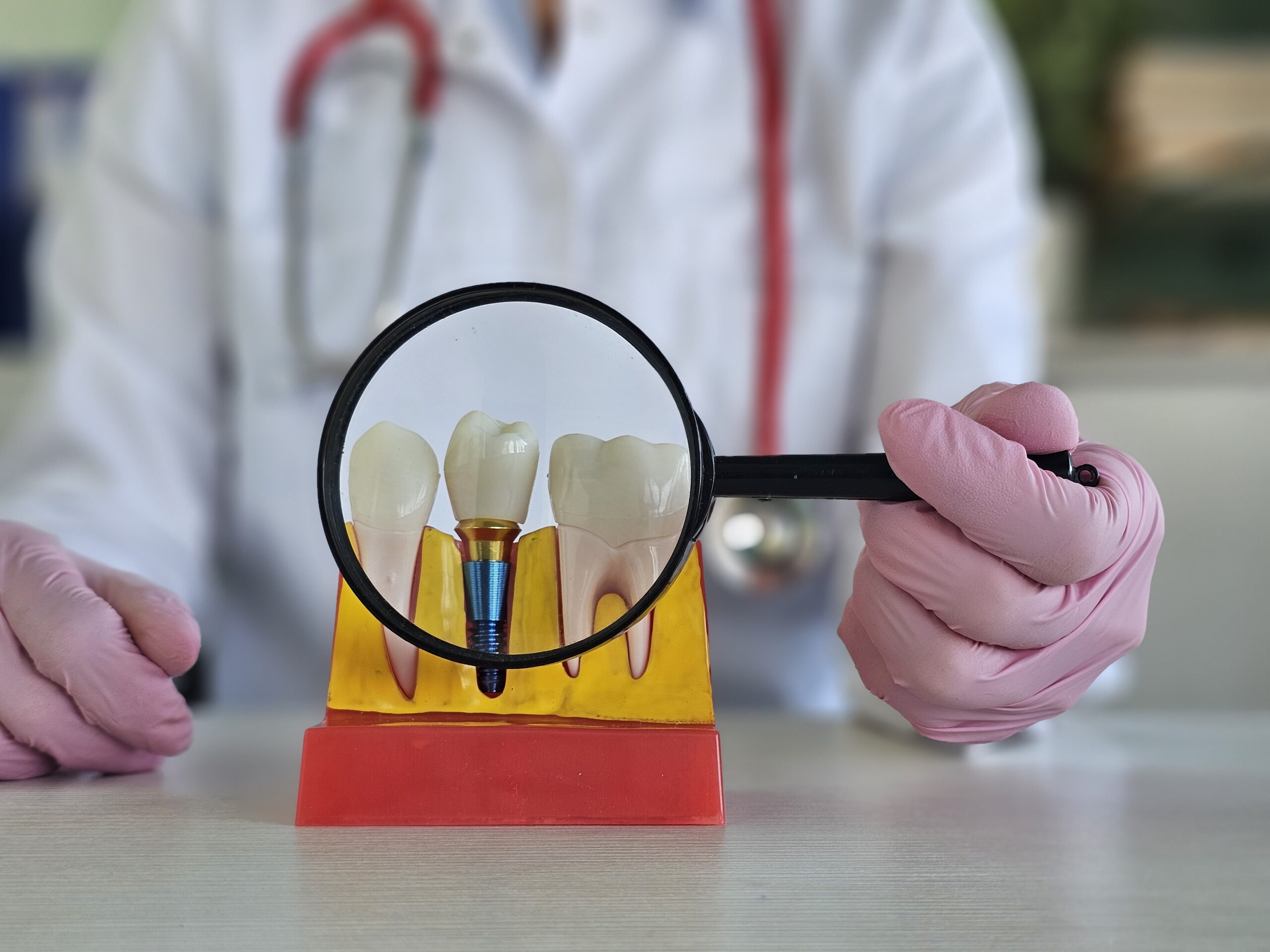
Although both treatments improve your smile, they serve different purposes. For example, dental implants are artificial tooth roots placed in your jaw to hold a replacement tooth. On the other hand, orthodontics uses devices like braces or clear aligners to move your teeth into better positions. Therefore, the main difference is that implants replace teeth, while orthodontics moves existing teeth.
Indications: Who Needs Dental Implants? Who Benefits from Orthodontics?
Not everyone needs the same dental treatment. In fact, your dentist will recommend the best option based on your needs.
Sometimes, you may need both treatments. For example, you might straighten your teeth first and then replace a missing tooth with an implant.
Procedure Overview for Both Options
Knowing what to expect can help you feel more comfortable. Let’s look at the basic steps for each treatment.
Dental Implants
Orthodontics
Pros and Cons of Dental Implants vs Orthodontics
Each treatment has its own benefits and drawbacks. However, knowing these can help you decide which is better: dental implants or orthodontics.
Cost Considerations and Treatment Duration
Cost and time are important when choosing dental treatment options. For example, dental implants usually cost more than orthodontics. However, implants are often a one-time expense. Orthodontic treatments, like braces, may cost less but take longer to complete. Always check with your dentist or orthodontist for exact prices in your area.
Aftercare and Maintenance Tips
Proper care is key for both dental implants and orthodontics. For instance, brushing and flossing daily helps prevent problems. With implants, avoid biting hard foods. With braces, clean around wires and brackets carefully. Regular dental check-ups are important for both treatments.
Prevention and Oral Health Guidance
Good oral habits can help you avoid future dental problems. For example, eat a balanced diet and limit sugary snacks. In addition, wear a mouthguard if you play sports. Early dental visits for children can also prevent many issues. The American Dental Association recommends regular check-ups for everyone.
Frequently Asked Questions (FAQs)
Conclusion: Which Dental Treatment Option Is Right for You?
Choosing between dental implants vs orthodontics depends on your needs. For missing teeth, implants may be best. For crooked teeth, orthodontics is likely the answer. However, sometimes both treatments are needed. Therefore, consult a qualified dentist True Healthcare to determine the best treatment for your needs.