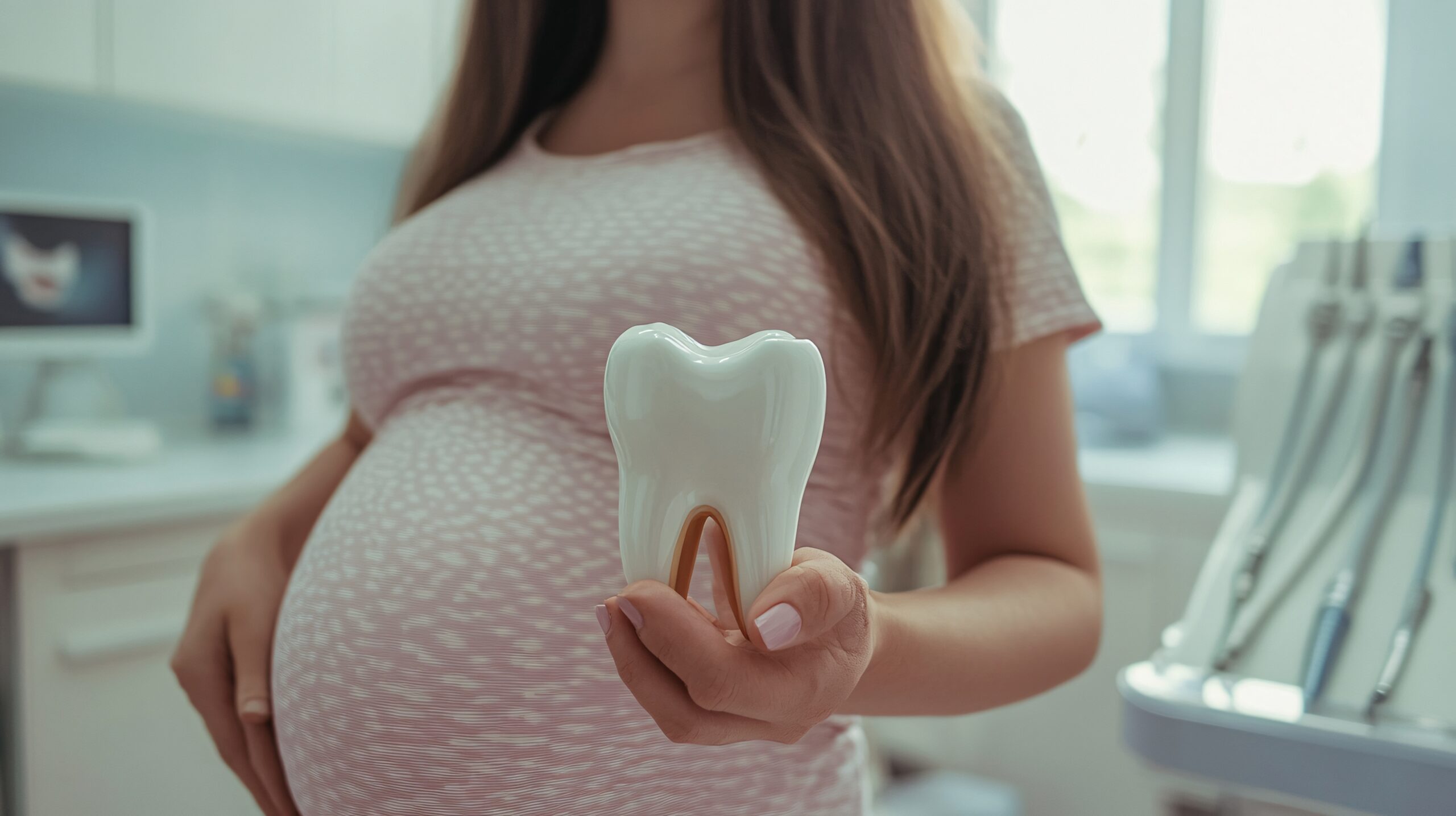
Pregnancy and oral health are closely connected. Many women notice changes in their mouths during pregnancy. For example, you may see swollen gums or bleeding when brushing. Because of these changes, oral care during pregnancy is very important. Good dental habits help protect both you and your baby. In this blog, you will learn about gum disease in pregnancy, common symptoms, causes, and dental care tips for pregnant women. Let’s explore how to keep your smile healthy during this special time.
Why Oral Health Matters During Pregnancy
During pregnancy, your body goes through many changes. These changes can affect your mouth. For instance, hormone shifts may make your gums more sensitive. As a result, you might notice more swelling or bleeding. Good oral health is important because gum disease in pregnancy can lead to problems. According to the CDC, gum disease may raise the risk of preterm birth or low birth weight. Therefore, caring for your teeth and gums helps protect your health and your baby’s health.
Common Oral Health Issues in Pregnancy
Pregnant women may face several mouth problems. Some of the most common issues include:
Because these issues are common, regular dental checkups are important during pregnancy.
Symptoms to Watch For
It is important to notice any changes in your mouth. Watch for these symptoms:
If you notice any of these signs, contact your dentist. Early care can prevent bigger problems.
Causes and Risk Factors
Several things can raise your risk of mouth problems during pregnancy. For example, hormone changes make gums more sensitive to plaque. In addition, morning sickness can increase acid in your mouth, which may harm teeth. Eating more snacks or sweets can also raise the risk of cavities. Poor brushing and flossing habits make things worse. Smoking or having diabetes can add to the risk. Because of these factors, it is important to pay extra attention to your oral care during pregnancy.
Diagnosis and When to See a Dentist
Regular dental visits are safe and important during pregnancy. Dentists can check for gum disease, cavities, or other problems. If you have pain, swelling, or bleeding, see your dentist as soon as possible. Early diagnosis helps prevent serious issues. Tell your dentist that you are pregnant. This helps them choose the safest treatments for you and your baby. According to the American Dental Association, routine dental care is safe at any stage of pregnancy.
Safe Dental Treatments During Pregnancy
Many dental treatments are safe for pregnant women. For example, cleanings and exams are important and should not be delayed. If you need a filling or other dental work, your dentist will use safe materials. Local anesthesia is safe in small amounts. X-rays are usually avoided, but if needed, your dentist will use a lead apron to protect you and your baby. Always tell your dentist about your pregnancy and any medicines you are taking. This helps them provide the best care for you.
Prevention and Home Care Tips
Good home care can prevent many oral health problems during pregnancy. Here are some simple tips:
By following these tips, you can help keep your mouth healthy throughout pregnancy.
Frequently Asked Questions
Conclusion: Oral health is a key part of a healthy pregnancy. By caring for your teeth and gums, you protect yourself and your baby. For the best advice, consult your dentist True Healthcare for personalized oral health guidance during pregnancy.