What Are Clear Aligners?
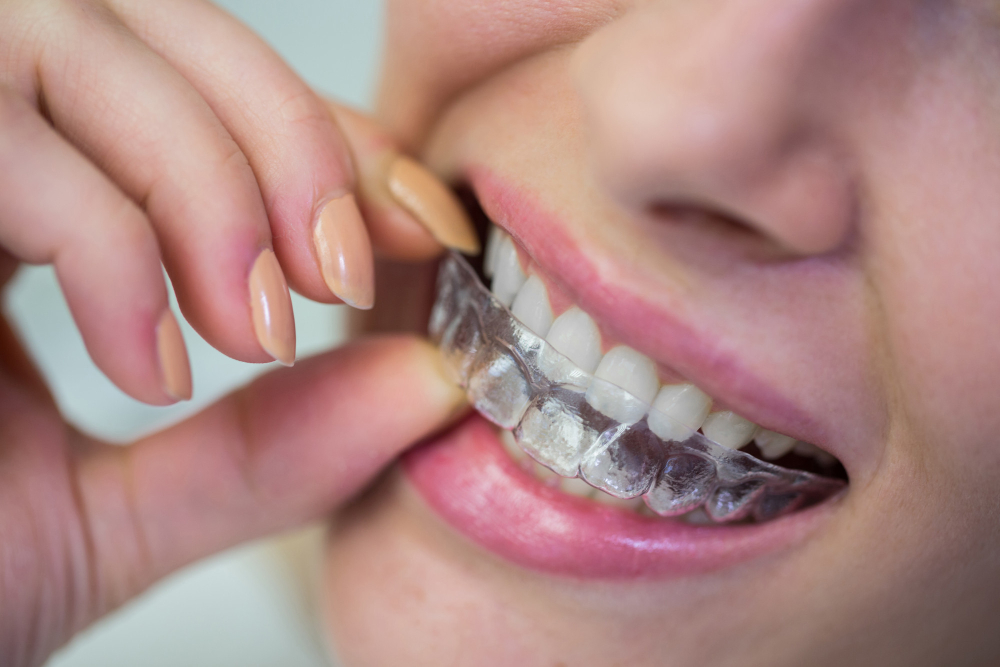
Clear aligners are a modern teeth straightening option. They use custom-made, clear plastic trays to move teeth. Many people call them “invisible aligners” because they are hard to see. You wear each set of trays for about two weeks. Then, you switch to a new set. Over time, your teeth move into better positions. Clear aligners are removable, so you can take them out to eat or brush your teeth. For best results, you need to wear them for 20 to 22 hours each day.
What Are Braces?
Braces are a traditional way to straighten teeth. They use metal brackets and wires to move teeth over time. The dentist or orthodontist glues the brackets to your teeth. Next, they connect the brackets with a wire. Sometimes, you may need rubber bands to help move your teeth. Braces stay on your teeth until treatment is done. Usually, you visit your orthodontist every few weeks for adjustments. Braces can be metal or made from tooth-colored materials.
Key Differences Between Clear Aligners and Braces
Both clear aligners and braces can fix crooked teeth. However, they work in different ways. For example, clear aligners are removable, while braces are fixed to your teeth. Also, clear aligners are nearly invisible. In contrast, metal braces are easy to see. Here are some key differences:
Clear aligners are removable; braces are not.
Braces can treat more complex dental issues.
Clear aligners are usually more comfortable.
Braces may require more care when brushing and eating.
Clear aligners need to be worn most of the day for best results.
Pros and Cons of Clear Aligners
Clear aligners offer many benefits, but they also have some drawbacks. Let’s look at both sides:
Pros:
Almost invisible, so many people will not notice them.
Removable for eating, brushing, and flossing.
Usually more comfortable than braces.
Fewer visits to the orthodontist may be needed.
Cons:
Must be worn 20 to 22 hours daily for best results.
Not ideal for very complex dental issues.
Trays can be lost or damaged if not handled carefully.
May cost more than metal braces in some cases.
Pros and Cons of Braces
Traditional braces have helped many people get straight teeth. Still, they have both advantages and disadvantages. Consider the following:
Pros:
Work well for complex tooth and jaw problems.
Always on your teeth, so you cannot forget to wear them.
Many types are available, including clear or tooth-colored braces.
Often less expensive than clear aligners.
Cons:
More visible than clear aligners.
Can cause discomfort or mouth sores at first.
Harder to clean teeth and gums with braces.
Some foods must be avoided to prevent damage.
Who May Benefit Most from Clear Aligners?
Clear aligners are a good choice for many people. However, they may not work for everyone. People who may benefit most include:
Teens and adults with mild to moderate crooked teeth.
Those who want a nearly invisible treatment.
People who can remember to wear aligners as directed.
Anyone who wants to remove trays for eating or brushing.
Still, clear aligners may not be the best orthodontic treatment for severe bite problems.
Who May Benefit Most from Braces?
Braces are often the best choice for people with more complex dental needs. For example, braces may suit:
Children, teens, or adults with severe crowding or bite issues.
People who need precise tooth movement.
Anyone who may forget to wear removable aligners.
Those who want a proven, long-lasting solution.
Braces can fix many dental problems that clear aligners cannot.
Factors to Consider When Choosing a Teeth Straightening Option
Choosing between clear aligners and braces depends on your needs. Consider these factors:
Type and severity of dental problem.
Age and lifestyle.
Desire for a hidden or visible treatment.
Ability to follow care instructions.
Cost and insurance coverage.
Time needed for treatment.
For best results, talk to a dentist or orthodontist. They will assess your teeth and recommend the best teeth straightening option for you.
Frequently Asked Questions About Clear Aligners and Braces
Many people have questions about invisible aligners vs metal braces. Here are some common ones:
What dental issues need teeth straightening? Crooked teeth, gaps, crowding, or bite problems may need treatment. These issues can make cleaning teeth hard and increase the risk of cavities or gum disease (CDC).
What causes misaligned teeth? Genetics, thumb-sucking, early loss of baby teeth, or injury can cause teeth to grow out of place (WHO).
How are teeth straightening needs diagnosed? Dentists use X-rays, photos, and dental exams to check your teeth and bite. They may also make molds of your teeth.
What is the treatment process? For clear aligners, you get a series of trays to wear. For braces, brackets and wires are attached, and you visit the orthodontist for adjustments.
How do I care for my teeth during treatment? Brush and floss daily. With braces, avoid sticky or hard foods. With aligners, clean trays as directed and remove them for meals.
Can I prevent orthodontic issues? While you cannot always prevent crooked teeth, early dental care and regular checkups help spot problems early.
For more details, ask your dental care provider about the best orthodontic treatment for your needs.