
Introduction
Night guards for bruxism can help protect your teeth from damage caused by grinding or clenching. Many people do not realize they grind their teeth at night. However, using a night guard offers many dental night guard benefits. It can help in preventing teeth grinding damage and is one of the most common bruxism treatment options. In this blog, you will learn how night guards work, their benefits, and how to care for them.
What Is Bruxism?
Bruxism is the habit of grinding or clenching your teeth. Often, it happens during sleep, so many people are unaware they have it. While mild bruxism may not cause harm, frequent grinding can lead to serious dental problems. According to the American Dental Association, bruxism affects both children and adults.
Common Symptoms and Risks of Bruxism
Bruxism can cause several symptoms. Sometimes, these signs are easy to miss. But, knowing them can help you seek help early. Common symptoms include:
If left untreated, bruxism can lead to tooth fractures, gum problems, and even jaw joint disorders. Therefore, early action is important.
How Night Guards Work
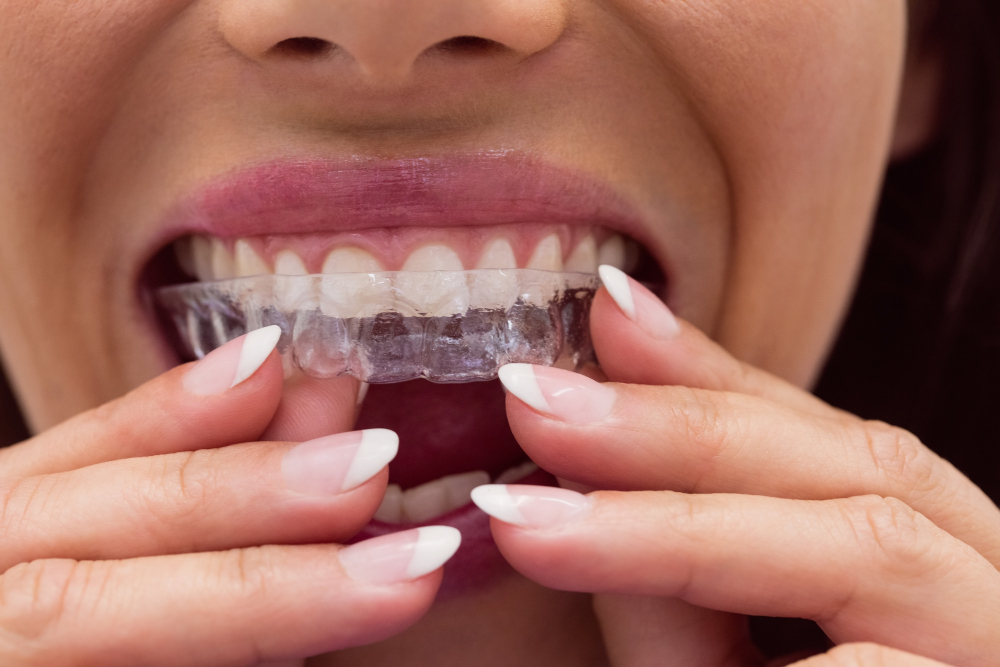
Night guards are special mouthpieces worn while you sleep. They create a barrier between your upper and lower teeth. As a result, your teeth do not grind against each other. This helps prevent damage from bruxism. Night guards also reduce pressure on your jaw muscles. Because of this, they can ease jaw pain and headaches.
Benefits of Using Night Guards
Wearing a night guard offers many advantages. Some of the main dental night guard benefits include:
In addition, night guards can help you avoid long-term dental issues. For many people, they are a simple and effective bruxism treatment option.
Types of Night Guards Available
There are several types of night guards. Each type has its own features. The main types include:
While custom night guards cost more, they usually last longer and fit better. Your dentist can help you choose the right type for your needs.
How to Choose and Care for a Night Guard
Choosing the right night guard depends on your comfort, budget, and dental needs. Here are some tips:
Proper care helps your night guard last longer. To keep it clean and safe:
Regular cleaning prevents bacteria buildup and keeps your mouth healthy.
Prevention Tips and Lifestyle Guidance
Besides using a night guard, you can try other ways to reduce bruxism. For example, you can:
Making small changes in your daily routine can help prevent teeth grinding damage.
When to See a Dentist
If you notice signs of bruxism, do not wait. See a dentist if you have:
Early treatment can prevent serious dental problems. Your dentist can suggest the best bruxism treatment options for you.
Conclusion
Night guards for bruxism are a simple way to protect your teeth from grinding damage. They offer many benefits and are easy to use. However, it is important to choose the right type and care for it properly. If you think you may have bruxism, consult a dentist at True Healthcare (THC Dental Centre) for personalized advice on bruxism and night guard options.